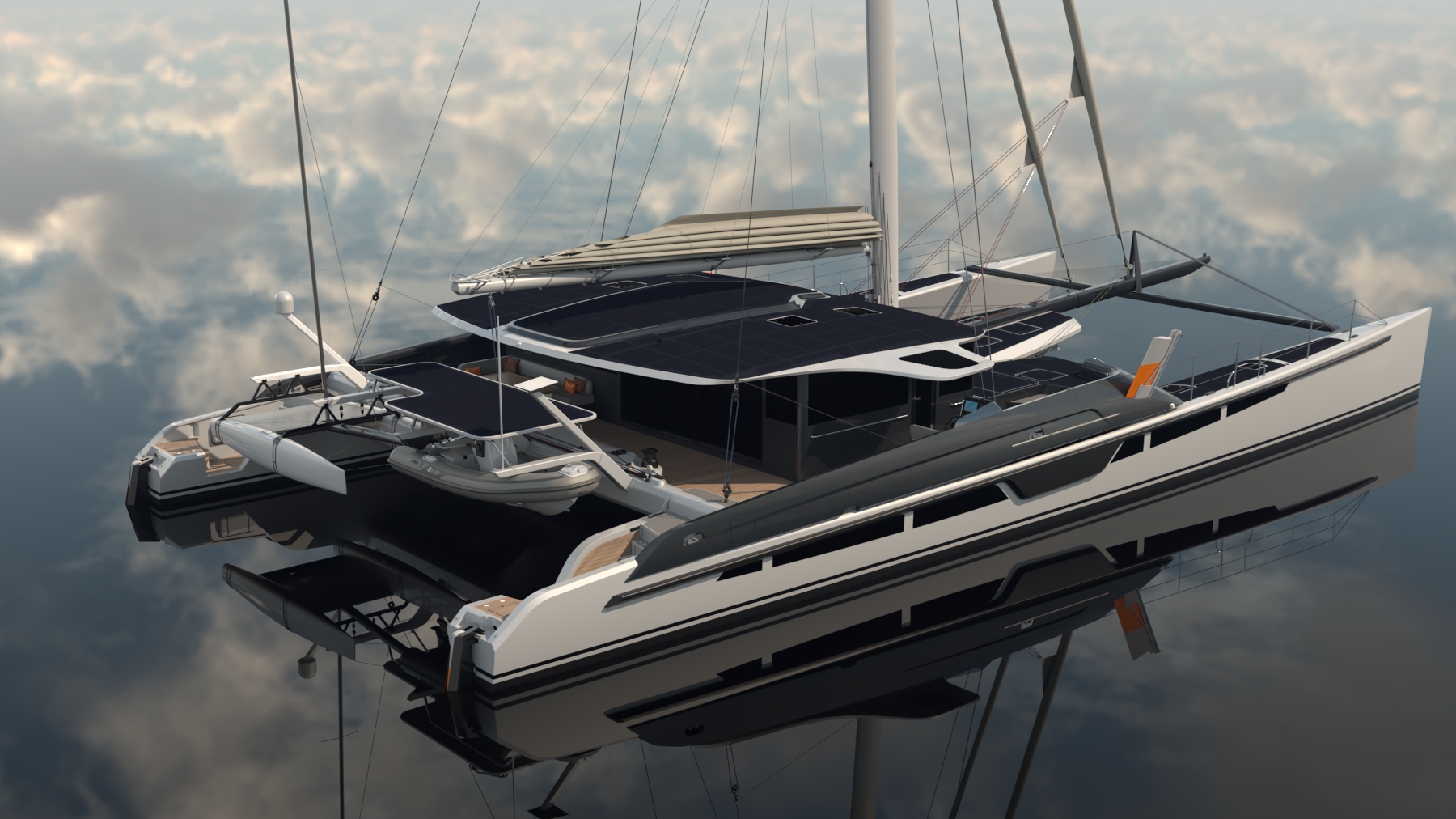
Zero Emissions, Fast Cruising The zero-emission luxury catamaran by Bellevue – reimagined from a racing catamaran

Discover
The Bellevue ECO catamaran

Our mission

Setting sail for the climate


Sustainability, safety and comfort combined: we show by practical example that we can maintain – and even improve – our standard of living without consuming the planet’s resources.

To do so, we converted an existing racing catamaran into a modern cruising yacht. The platform stays in service instead of being scrapped, and today it meets every criterion for safety, comfort and sailing pleasure.

We would like to take you along on this journey and share our knowledge with you at regular events.

Zero-emission travel


Zero-emission travel on the water starts with propulsion: electric motors instead of combustion engines, powered by solar and wind rather than fossil fuels. The materials matter just as much – light, durable and recyclable, they reduce the ecological footprint while increasing the vessel’s efficiency.

That is exactly the combination we put into practice. It is time to explore the oceans in a way that puts the protection of our planet first.
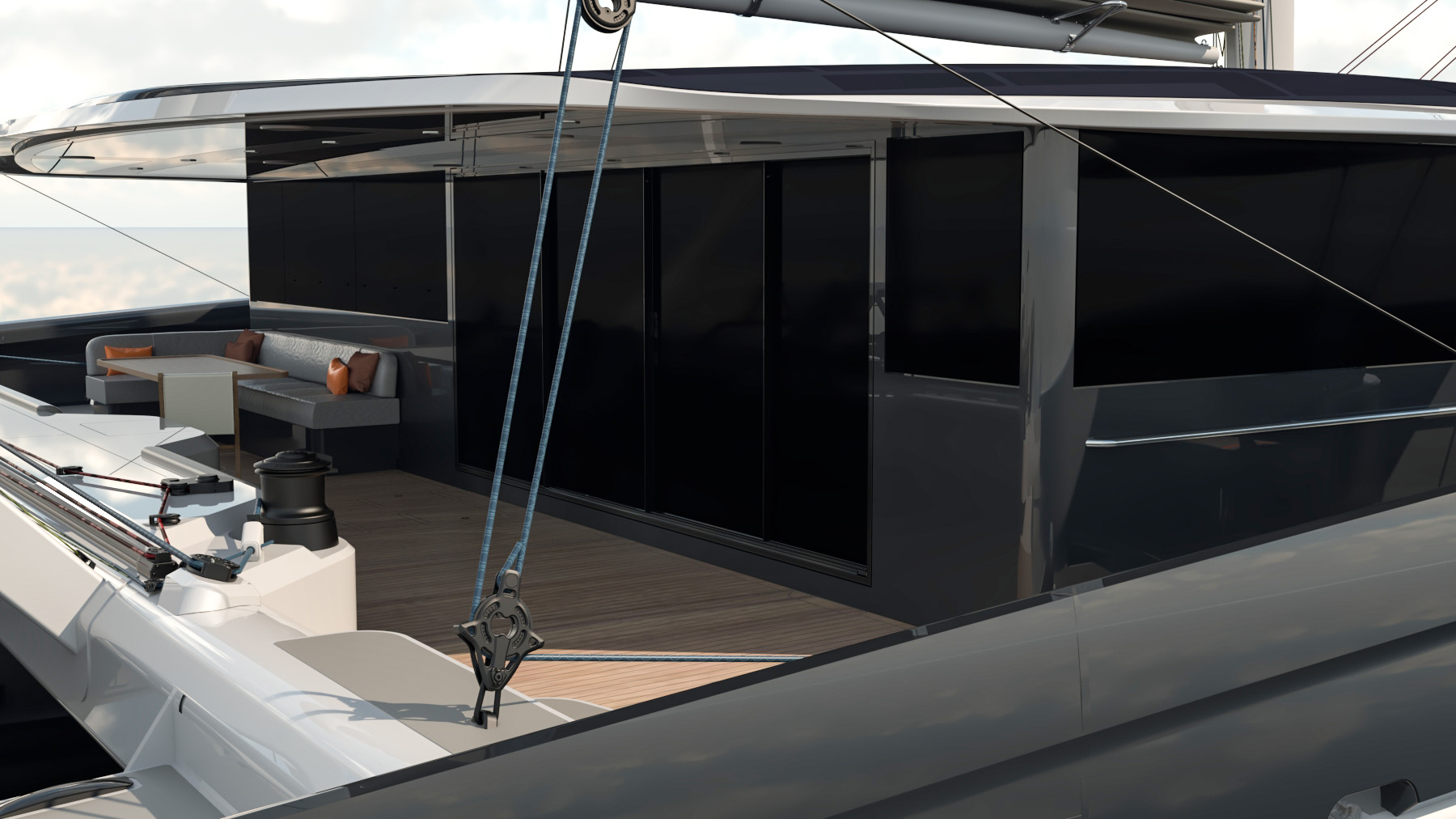

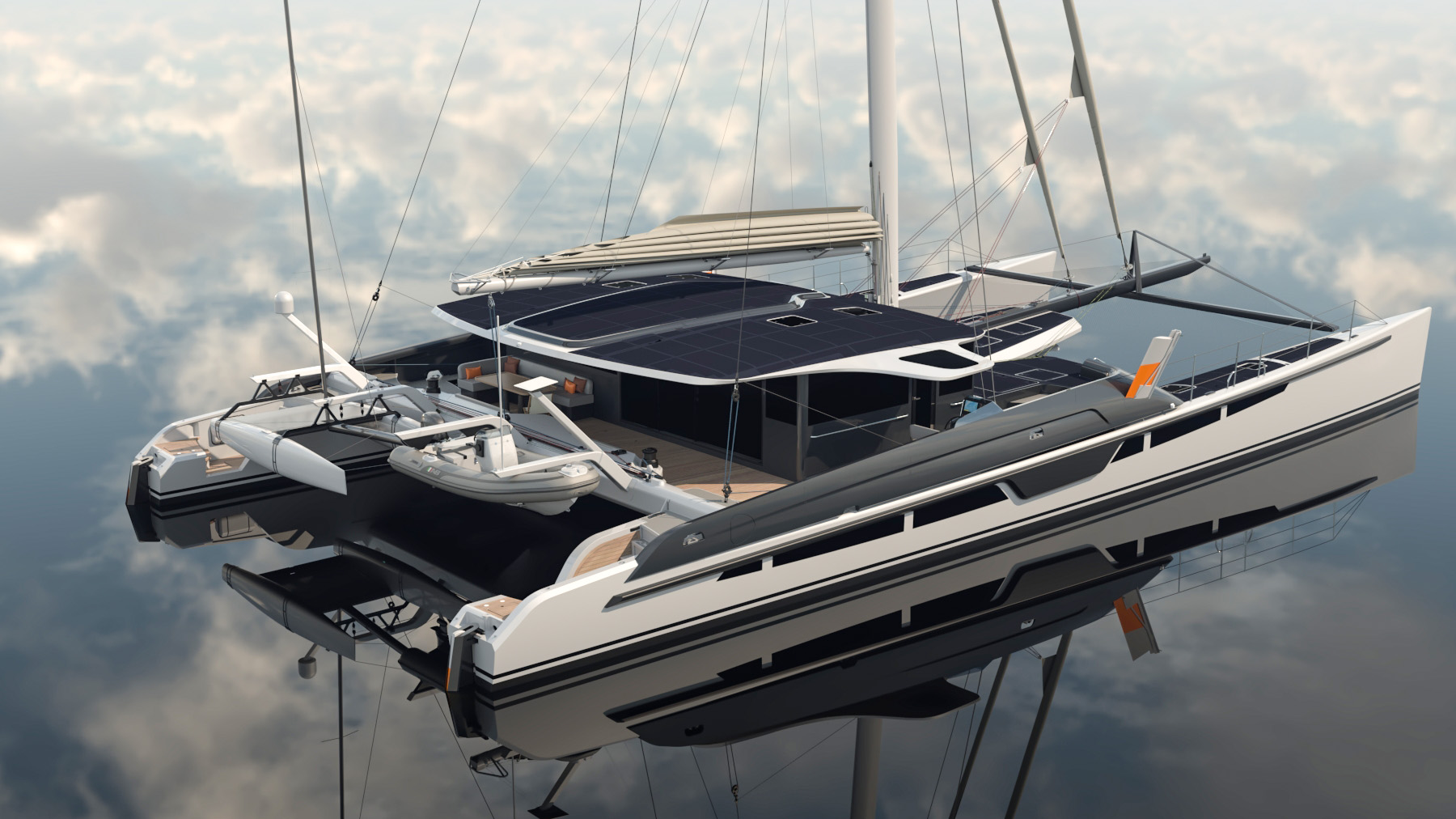
The Bellevue ECO catamaran seen from the bow

Travelling with eco-friendly materials


Fast

Light composites and modern electric drives use every kilowatt-hour efficiently – under sail the catamaran reaches up to 30 knots.

Comfortable

Light, ergonomically shaped structures not only reduce environmental impact, they also create more space and a smoother ride on board.

Safe

Carbon sandwich is high-strength, dimensionally stable and resistant to salt water – built to the highest standards of safety at sea.

Aviation & shipping

EU initiatives in focus


Shipping and aviation each account for around 4 percent of greenhouse gas emissions in the EU – comparatively small shares, but ones growing rapidly along with passenger numbers and trade volumes.

The EU has responded: since 2024 shipping has been included in the Emissions Trading System (ETS) – covering all emissions from 2026. In parallel, the EU is mandating more sustainable fuels for ships and aircraft.

−55 %
Emissions by 2030
2050
Target: climate neutrality

EU greenhouse gas emissions

Shares of total EU-27 emissions, 2019 – transport in detail

Total 100 %

Transport 28.5 %
Road transport
20.5 %
Shipping
4.0 %
Aviation
3.8 %
Rail transport
0.1 %
Other transport
0.1 %
Other sectors 71.5 %
Energy, industry, housing, agriculture and others
71.5 %

Shipping and aviation each including international traffic.
Source: European Environment Agency, data for 2019 (EU-27, excluding land use).

Emissions compared across modes of transport


Powerboats emit many times more per person and kilometre than other modes of transport. A diesel-powered boat sits at more than thirty times a long-distance coach and well above an aircraft – something rarely considered in this popular leisure activity. Electric propulsion and onboard energy generation change that picture fundamentally: under sail, the Bellevue catamaran is entirely emission-free.

0.947
Powerboat*
0.290
Aircraft
(domestic)
0.164
Car
0.030
Coach
(long-distance)
0.026
Rail
(long-distance)
0.000
Bellevue
under sail

Figures in kg CO2 equivalent per passenger kilometre. Comparison values: German Environment Agency (UBA), „Vergleich der durchschnittlichen Emissionen einzelner Verkehrsmittel im Personenverkehr“, reference year 2024 (TREMOD 6.71B). *Powerboat with diesel engine consuming 5 l/h – own calculation.

Innovation, high tech and zero emissions

Luxurious and sustainable travel


The Bellevue catamaran is a pioneer of sustainable technology in the maritime sector – equipped with state-of-the-art sails, efficient solar cells and powerful electric motors.

20 kWp
Solar energy

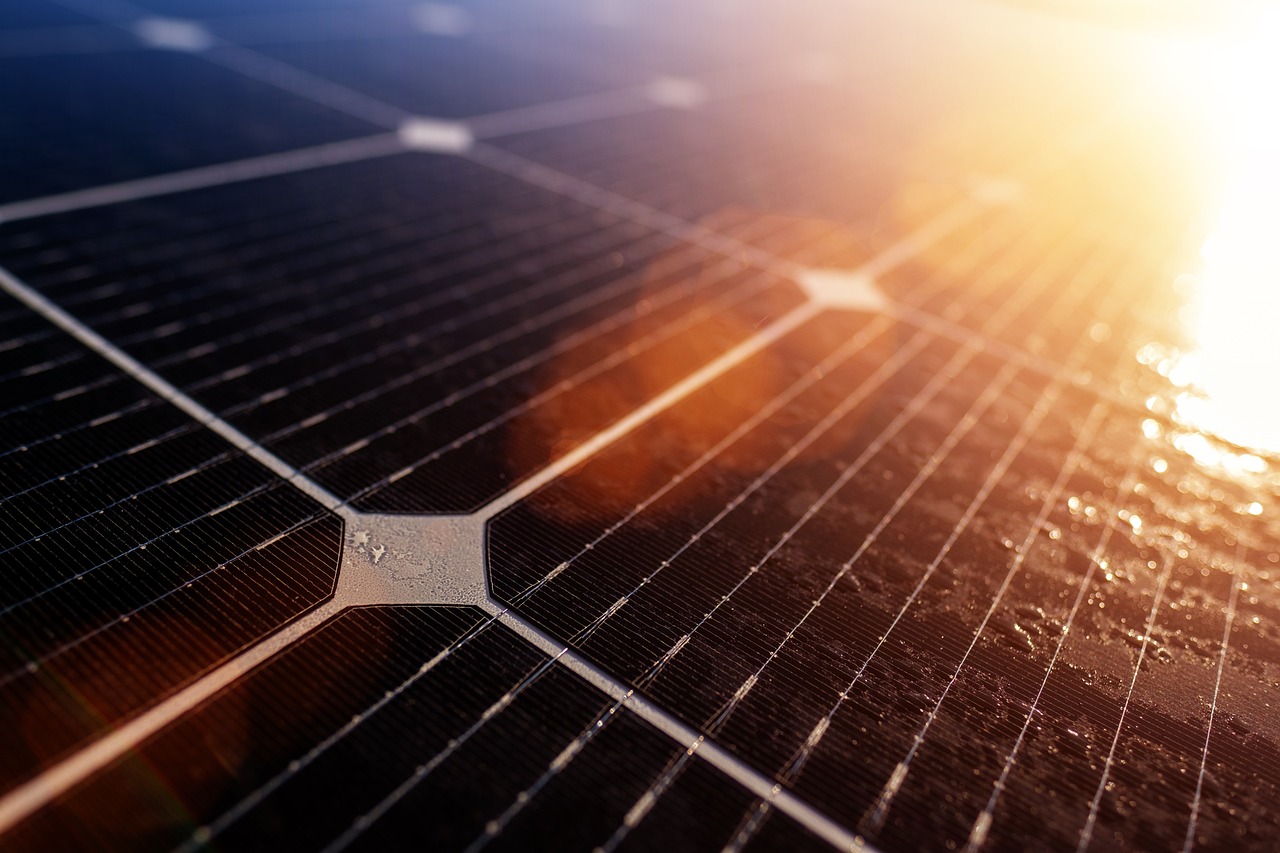
Premium modules with 24 % efficiency – maximum output in limited space, high low-light efficiency and an excellent temperature coefficient.

330 kWh
Propulsion batteries

Specially tuned to the weight-to-energy ratio and therefore 30 % lighter than conventional systems. Plus 36 kWh for the domestic supply.

4 kW/h
Energy recovery

While sailing, electricity is recovered through the propellers and fed straight back into the batteries.

30 kn
Top speed

At an average cruising speed of 15 knots – and entirely free of CO2 emissions under sail.

The catamaran is built entirely using carbon sandwich construction: maximum load capacity at low weight – setting a new standard for environmentally friendly travel on the high seas.

Bellevue

Innovation in focus – modern technology for maximum efficiency


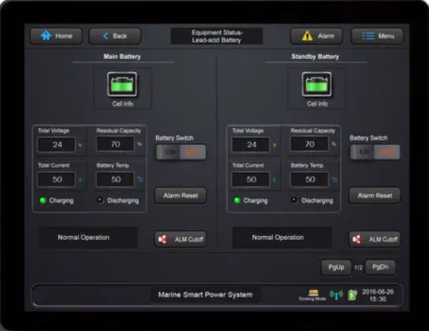
BMS Battery Management

BMS Battery Management

Monitors voltage, performance and cell balancing of the batteries – for safe energy use and a considerably longer service life. It also keeps the onboard electrical system stable.

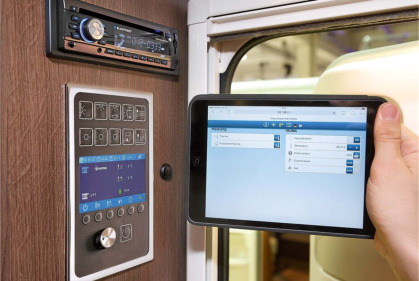
BUS system

BUS system

The Board Area Network connects all onboard electronics centrally. Fewer cables, less weight, full control in real time. Every function comes together in a single controller.

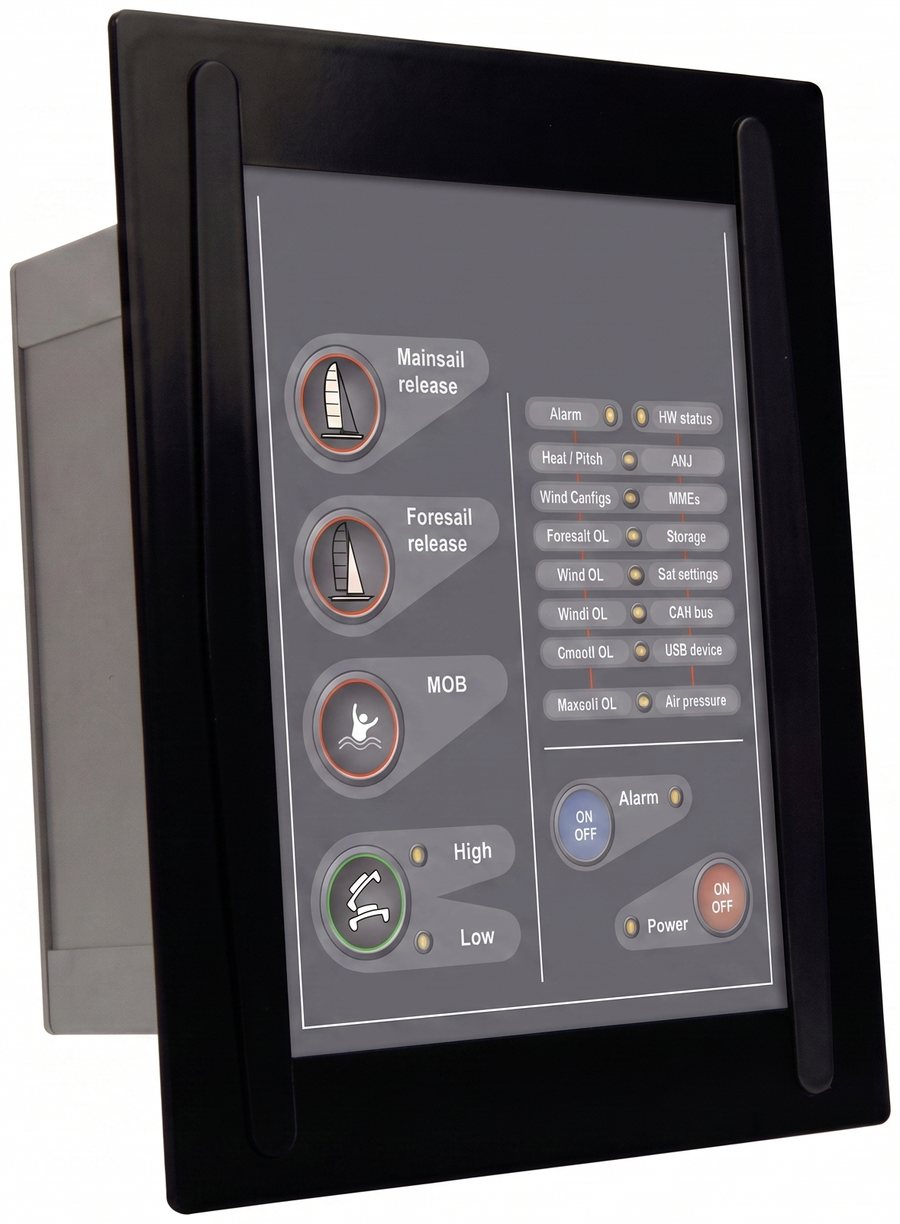
Upside Up safety – control panel

Upside Up safety

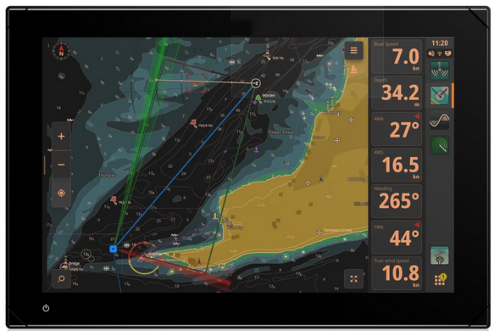
Sensors continuously measure the load on the vessel’s structure. If overload threatens, the sails are eased proactively – before anything happens. Safety is maintained even in strong winds.

Hazard detection at sea

Hazard detection at sea

Cameras and AI detect what radar and AIS miss: unlit boats, buoys, floating debris, kayaks – and people overboard. The crew is warned before things get critical.

Energy generation

Energy generation

Solar cells deliver up to 20 kWp. While sailing, the propellers feed additional energy back into the batteries. The vessel largely powers itself under way.

Fly by Wire-Rudersystem

Fly-by-wire steering

Electronic signals instead of mechanical linkages: direct, precise control and maximum manoeuvrability. It saves weight and makes the rudder predictable in a manoeuvre.

Circular economy

Using resources wisely


We deliberately chose to give an existing platform a new life – instead of scrapping it.

Carbon sandwich construction makes that possible: high-strength, durable, repairable and extendable without losing performance. A new product emerges without giving up functionality.

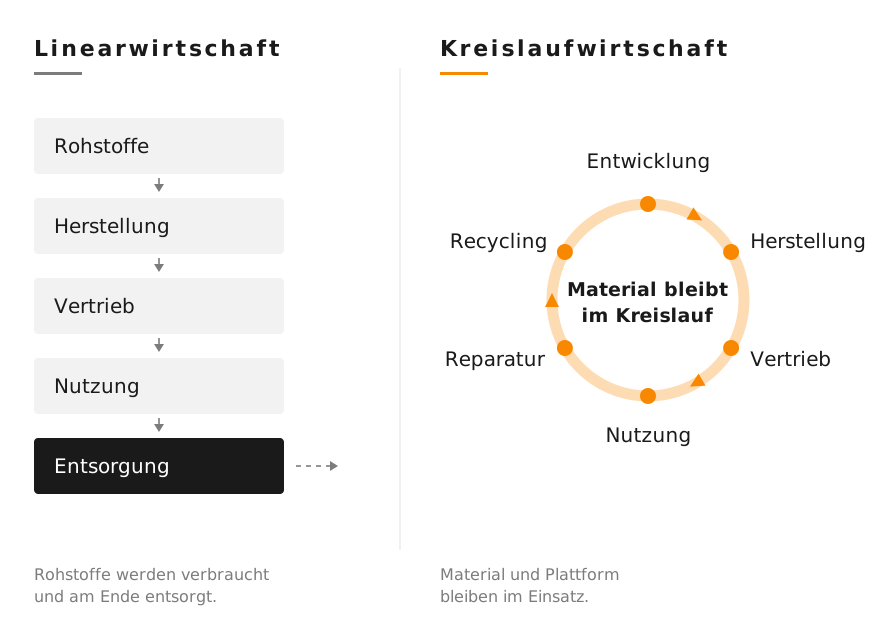
That is precisely what the circular economy is about: materials stay in circulation instead of being discarded at the end of their life cycle. This reduces resource consumption – and is economically efficient, because fewer raw materials are needed.

We would like to inspire you to think along these lines.

Comparison: the linear economy ends in disposal, the circular economy keeps material in circulation
Linear economy and circular economy compared

Sponsorship & partnership

Become part of our project


Would you like to take a leading role in creating a sustainable future while improving our standard of living? Innovative technology and a sustainable approach to development open up new potential.

You will find us at

St. Tropez
France
Porto Cervo
Italy
Barcelona
Spain
St. Johns
Antigua
Newport
USA

Around the iconic vessel we host events where you can meet your clients and partners, make new contacts and develop new ideas together.

Get in touch if you would like to become part of the Bellevue ECO project.

Get in touch